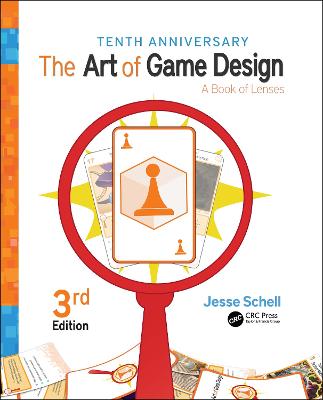
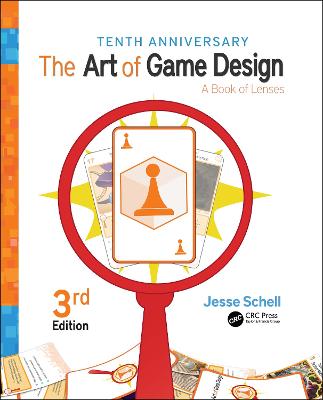
Art of Game Design
 -10%
portes grátis
-10%
portes grátis
Art of Game Design
A Book of Lenses, Third Edition
Schell, Jesse
Taylor & Francis Ltd
08/2019
652
Dura
Inglês
9781138632097
15 a 20 dias
1478
Descrição não disponível.
Ch 1 In the Beginning, There Is the Designer. Ch 2 The Designer Creates an Experience. Ch 3 The Experience Takes Place in a Venue. Ch 4 The Experience Rises Out of a Game. Ch 5 The Game Consists of Elements. Ch 6 Ch 7 The Elements Support a Theme. Ch 8 The Game Begins with an Idea. Ch 9 The Game Improves through Iteration. Ch 10 The Game Is Made for a Player. Ch 11 The Experience Is in the Player's Mind. Ch 12 The Player's Mind Is Driven by the Player's Motivation. Ch 13 Some Elements Are Game Mechanics. Ch 14 Game Mechanics Must Be in Balance. Ch 15 Game Mechanics Support Puzzles. Ch 16 Players Play Games through an Interface. Ch 17 Experiences Can Be Judged by Their Interest Curves. Ch 18 One Kind of Experience Is the Story. Ch 19 Story and Game Structures Can Be Artfully Merged with Indirect Control. Ch 20 Stories and Games Take Place in Worlds. Ch 21 Worlds Contain Characters. Ch 22 Worlds Contain Spaces. Ch 23 The Look and Feel of a World Is Defined by Its Aesthetics. Ch 24 Some Games Are Played with Other Players. Ch 25 Other Players Sometimes Form Communities. Ch 26 The Designer Usually Works with a Team. Ch 27 The Team Sometimes Communicates through Documents. Ch 28 Good Games Are Created through Playtesting. Ch 29 The Team Builds a Game with Technology. Ch 30 Your Game Will Probably Have a Client. Ch 31 The Designer Gives the Client a Pitch. Ch 32 The Designer and Client Want the Game to Make a Profit. Games Ch 33 Transform Their Players. Designers Have Certain Responsibilities. Ch 34 Each Designer Has a Purpose.
Este título pertence ao(s) assunto(s) indicados(s). Para ver outros títulos clique no assunto desejado.
interactive media theory;ludology;player psychology;iterative prototyping;experiential learning games;cognitive engagement design;advanced digital game development
Ch 1 In the Beginning, There Is the Designer. Ch 2 The Designer Creates an Experience. Ch 3 The Experience Takes Place in a Venue. Ch 4 The Experience Rises Out of a Game. Ch 5 The Game Consists of Elements. Ch 6 Ch 7 The Elements Support a Theme. Ch 8 The Game Begins with an Idea. Ch 9 The Game Improves through Iteration. Ch 10 The Game Is Made for a Player. Ch 11 The Experience Is in the Player's Mind. Ch 12 The Player's Mind Is Driven by the Player's Motivation. Ch 13 Some Elements Are Game Mechanics. Ch 14 Game Mechanics Must Be in Balance. Ch 15 Game Mechanics Support Puzzles. Ch 16 Players Play Games through an Interface. Ch 17 Experiences Can Be Judged by Their Interest Curves. Ch 18 One Kind of Experience Is the Story. Ch 19 Story and Game Structures Can Be Artfully Merged with Indirect Control. Ch 20 Stories and Games Take Place in Worlds. Ch 21 Worlds Contain Characters. Ch 22 Worlds Contain Spaces. Ch 23 The Look and Feel of a World Is Defined by Its Aesthetics. Ch 24 Some Games Are Played with Other Players. Ch 25 Other Players Sometimes Form Communities. Ch 26 The Designer Usually Works with a Team. Ch 27 The Team Sometimes Communicates through Documents. Ch 28 Good Games Are Created through Playtesting. Ch 29 The Team Builds a Game with Technology. Ch 30 Your Game Will Probably Have a Client. Ch 31 The Designer Gives the Client a Pitch. Ch 32 The Designer and Client Want the Game to Make a Profit. Games Ch 33 Transform Their Players. Designers Have Certain Responsibilities. Ch 34 Each Designer Has a Purpose.
Este título pertence ao(s) assunto(s) indicados(s). Para ver outros títulos clique no assunto desejado.